
If you live in the suburbs of Vancouver, especially areas like Felida, Salmon Creek, and Camas, you get the best of the Pacific Northwest. There is lush landscaping and tall, beautiful trees all around. This is what gives the area its signature Clark County comfort.
However, that beautiful canopy and dense ground cover also provide perfect shelter and hunting grounds for three of the most annoying pests: spiders, wasps, and earwigs. These first come to your yard and then make their way inside your house without you noticing.
The thing is, your landscaping can increase or decrease this problem. Knowing how this works is important to solving it. To stop your beautiful Vancouver yard from becoming a haven for invasive insects, get Vancouver pest control today.
Why Vancouver’s Trees Are Pest Superhighways
In the Vancouver suburbs, many homes are surrounded by native and ornamental trees like Douglas Firs, Maples, and various fruit trees. These plants create a perfect ecosystem for pests.
Spiders love it when your trees meet or touch the exterior of your house. The common spiders in your region include the common Yellow Sac and Hobo Spider. They build webs between the eaves and tree branches to catch insects. When the colder months arrive, they use these same structural points to sneak inside your garage or attic.
Next, wasps and yellowjackets love flowers, fruit trees, and general yard debris, as these serve as a steady food source. The most aggressive pests, like Yellowjackets and Paper Wasps, are common in Clark County. You will often find them nesting in tree cavities, under root systems, or directly beneath the protective eaves and soffits of your roofline.
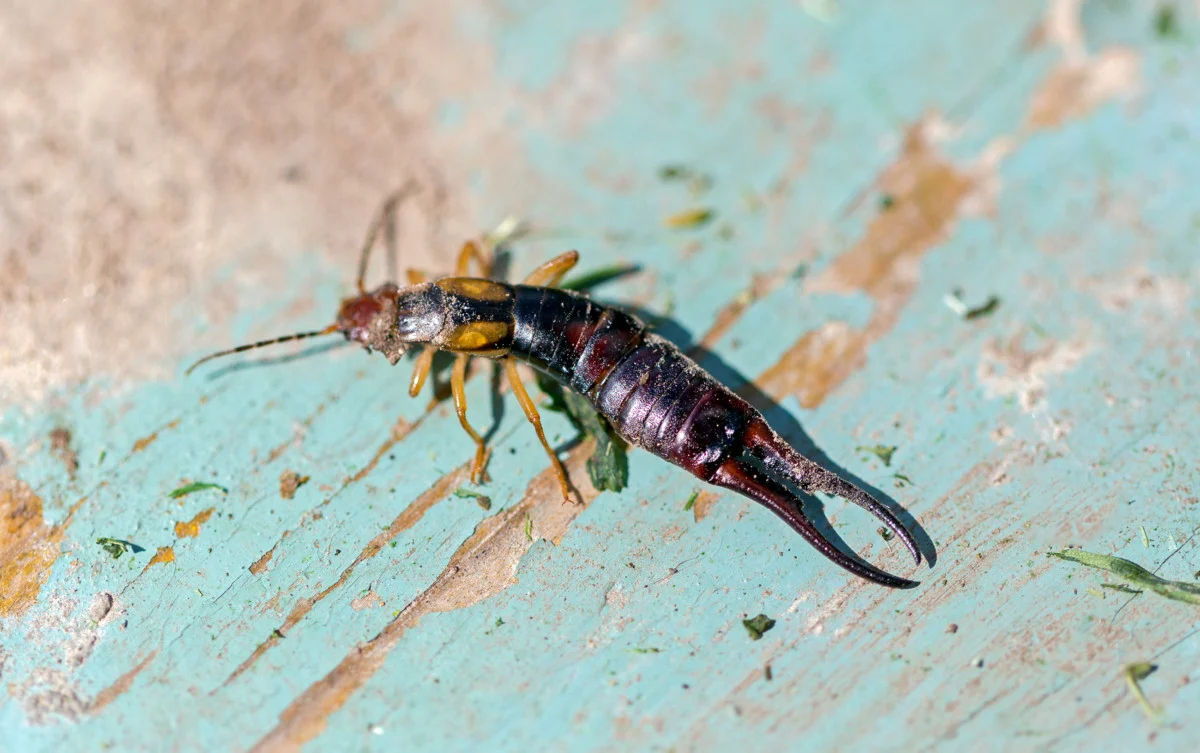
Finally, earwigs are the most moisture-loving pests, and they thrive in decaying matter. The thick layers of leaf litter, pine needles, and mulch under your mature trees are ideal environments for earwigs. When the ground gets too wet (a common Vancouver winter problem) or too hot, they immediately migrate indoors.
How to Defend Your Home’s Perimeter
You do not have to remove your favorite trees and bushes to prevent pests, but you will need to manage the bridge they create. The key is to focus on what helps these insects enter your house.
Pay special attention to the tree branches, shrubs, and ivy. If they are too long, trim them to break the direct path that spiders and wasps use.
Coming to mulch, while it is great for landscaping, earwigs love it. If you have mulch, bark, and heavy leaf piles near your foundation, pull them away. Aim for at least six inches away from your foundation wall. This creates a dry “buffer zone” that discourages earwigs from getting close.
Spring is when they start nesting. Before that happens, inspect your roof eaves and fascia boards, especially on the sheltered sides of the house. If you find any minor gaps, close them with exterior-grade caulk to prevent Paper Wasps from anchoring their nests.
Finally, secure the ground level. If the doors have damaged sweeps, replace them. Ensure all crawl spaces and basement window screens are tightly sealed, especially in older Vancouver homes that might have settled foundations.
Let Vancouver Exterior Protection Experts Handle The Job!
Successfully preventing and dealing with three different types of pests, spiders, wasps, and earwigs, in the Vancouver suburbs can be very difficult.
Pointe Pest Control is your local expert, specializing in the specific pest behaviors influenced by Clark County’s tree-heavy environment. They provide a comprehensive treatment focusing on the foundation, elevated entry points, and soil beds. Moreover, they understand the timing of the annual wasp queen emergence and the seasonal migration of spiders.
Schedule your personalized perimeter defense service with Pointe Pest Control today and gain guaranteed control!
