
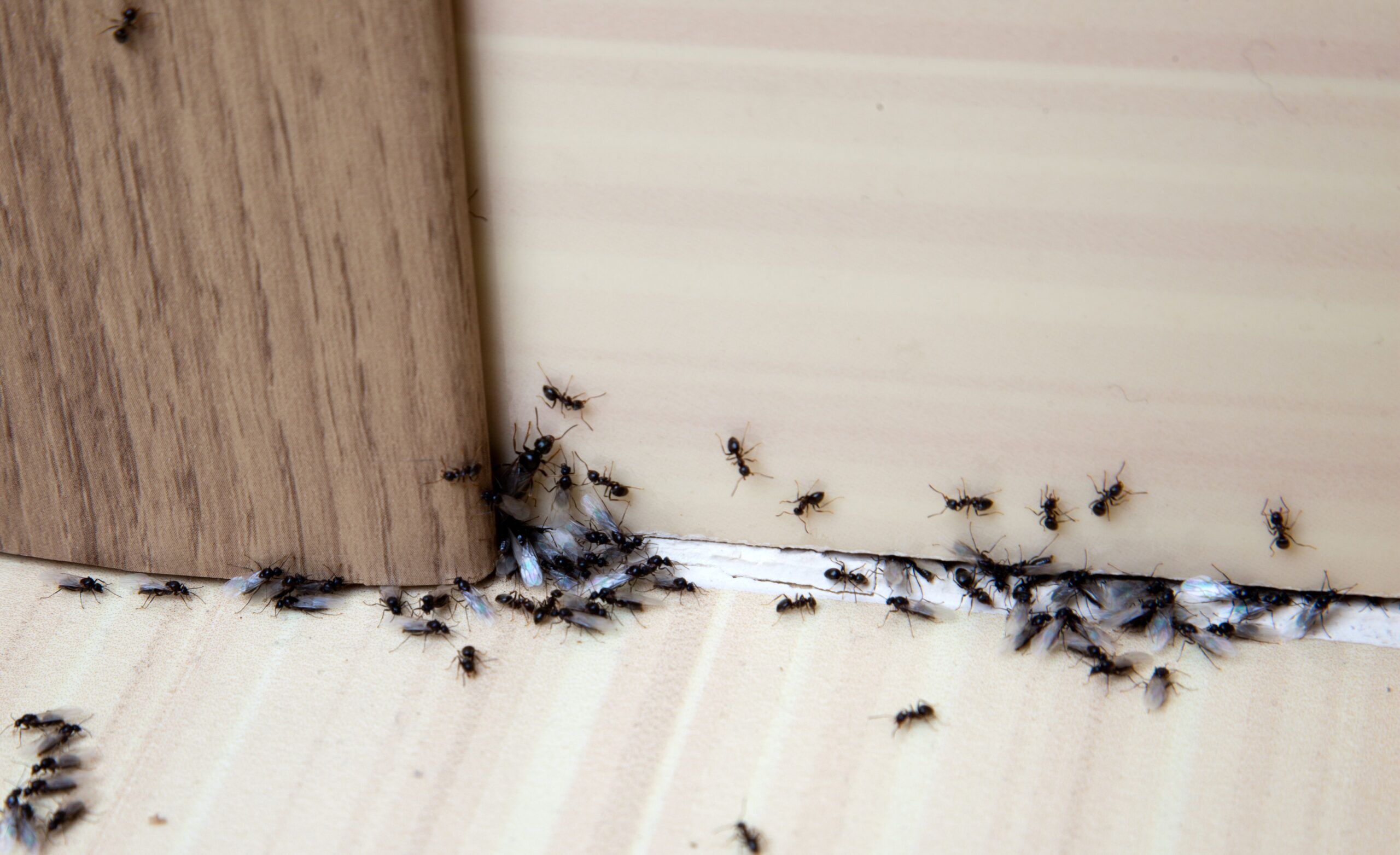
Your home’s foundation is its shield, and it is designed to keep the elements out and the comfort in. However, this shield often has tiny weak points that are almost invisible. Pests can use these as superhighways straight into your Rowlett property.
Here in North Texas, the soil’s expansive clay and the fluctuating weather can cause constant stress on foundations. This leads to small cracks and gaps that are perfect entry points for rodents, spiders, ants, scorpions, etc.
A mouse only needs a dime-sized opening, while an ant needs even less. To prevent pests from taking over your house, sealing these points of entry is important. Consult with a Rowlett pest control company today for assistance.
The 7 Critical Entry Points Pests Exploit
When it comes to pest control, knowing where to look is the first step in prevention. Here are some key areas that you need to inspect regularly. This will significantly save you the headache and expense of a full-blown infestation.
Weep Holes In Brick Veneer
If your Rowlett home has brick siding, it almost certainly has weep holes. These are small gaps in the mortar along the bottom row of bricks. These are essential for allowing moisture to escape the wall cavity.
Unfortunately, they are also an open door for spiders, earwigs, and mice. Never seal a weep hole with caulk. Instead, use specialized weep hole covers or mesh designed for pest exclusion.
Utility Line Penetrations
Every pipe, wire, cable, and AC line that enters your home’s exterior wall or foundation requires a hole. Over time, the caulk or sealant around these utility points shrinks, cracks, or peels away, leaving a gaping hole. This is a favorite entry point for rats and mice, who often follow pipes directly into the kitchen or laundry room walls.
Foundation And Slab Cracks
Due to the settling and shifting of the clay soil around Lake Ray Hubbard, small hairline cracks are common in concrete slabs and perimeter foundations. While large structural cracks require a foundation specialist, even tiny cracks (1/4 inch or less) allow access to moisture, silverfish, spiders, and ants.
Gaps Around Windows And Doors
Gaps around windows and doors are the most obvious entry points. Pay attention especially to the frame around garage pedestrian doors and windows. The weather stripping is most likely to wear out first, which leaves gaps. Additionally, check the siding and fascia intersections above windows where different materials meet.
Garage Door Seals And Corners
The largest entryway to your home’s foundation is the garage door. The rubber seal along the bottom edge frequently cracks, tears, or becomes brittle. This leaves gaps through which rodents, crickets, and spiders invade the property. Also, do not forget to check the corner joints where the vertical and horizontal door rails meet the wall.
Vents (Crawl Space And Attic)
Vents are not exactly part of the foundation, but they can provide direct access to the interior structure. It is important to ensure that the air bricks, gable vents, and foundation vents have intact and well-secured screens. If they are damaged, they allow for wasps, large spiders, and climbing rodents (squirrels and roof rats).
Unsealed Mortar Joints And Wall Voids
In some old homes or areas that are made of brick, there are places where different construction materials meet. The mortar or sealant used to join these materials may wear down or break. These spaces create hidden entries in the wall where pests like carpenter ants, roaches, and termites can build nests.
A reputed pest control company, like Romney Pest Control, can help identify and close these gaps. They have been in the industry for over two decades and are known for their guaranteed solutions.
